
Masayoshi Son and Greg Hayes: What Connects the Two Leaders?
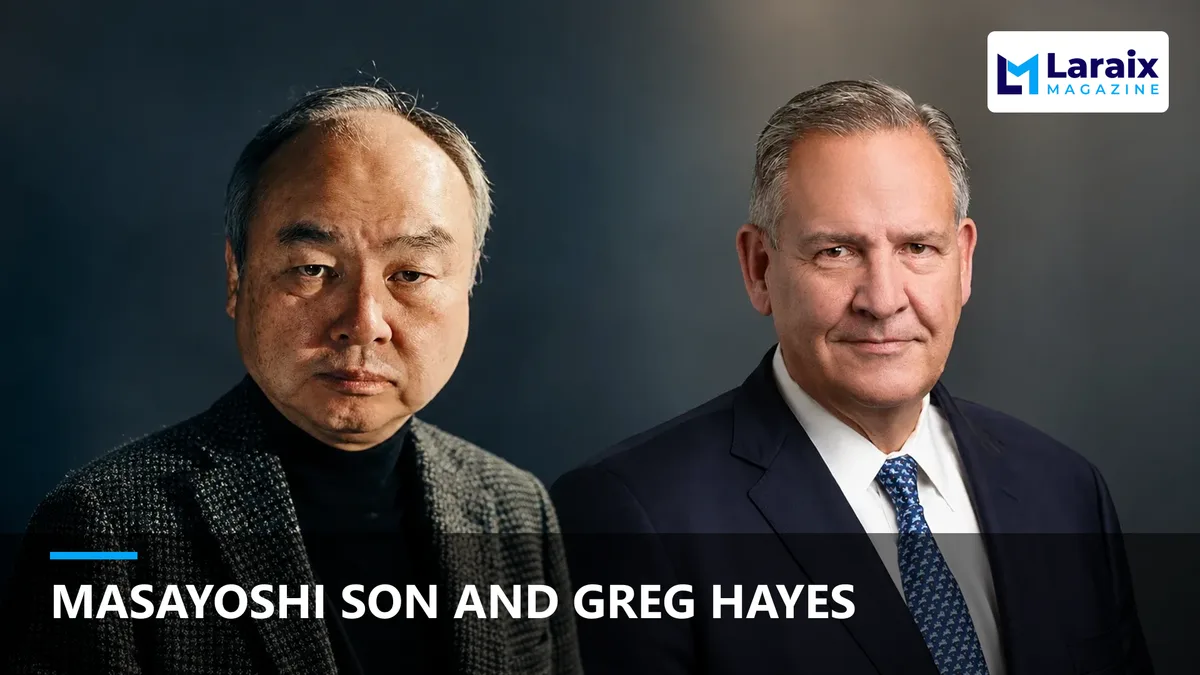
Masayoshi Son and Greg Hayes have shaped major international companies through different approaches to leadership, investment, and corporate transformation. Son founded Japan’s SoftBank Group, while Hayes led United Technologies and RTX Corporation, formerly Raytheon Technologies.
Although both executives have influenced global business, no verified public evidence establishes a direct personal, family, or professional relationship between them. Their connection lies in their experience managing large organizations, overseeing major transactions, and making decisions that have reshaped their industries.
Quick Bio of Masayoshi Son and Greg Hayes
| Attribute | Details |
|---|---|
| Full Name | Masayoshi Son and Gregory J. Hayes |
| Known As | Masayoshi Son and Greg Hayes |
| Profession | Son: Entrepreneur, investor, and technology executive; Hayes: Business executive and corporate director |
| Date of Birth | Son: August 11, 1957; Hayes: Not publicly confirmed |
| Age | Son: 69 years old (2026); Hayes: Not publicly confirmed |
| Birthplace | Son: Tosu, Saga Prefecture, Japan; Hayes: Not publicly confirmed |
| Nationality | Son: Japanese; Hayes: American |
| Education | Son: University of California, Berkeley (Economics, 1980); Hayes: Purdue University (Management, 1982) |
| Marital Status | Son: Married; Hayes: Married to Renata Hayes |
| Children | Son: Two children; Hayes: Four children |
| Career | Son: Founder, chairman, and CEO of SoftBank Group; Hayes: Former CEO and chairman of United Technologies and RTX Corporation |
| Known For | Son: SoftBank, Alibaba investment, Arm acquisition, and SoftBank Vision Fund; Hayes: United Technologies restructuring, Rockwell Collins acquisition, and RTX formation |
| Current Roles (2026) | Son: Chairman and CEO of SoftBank Group; Hayes: Lead independent director at Phillips 66 and board member at BD |
Masayoshi Son and Greg Hayes: What Connects Them?
Son and Hayes represent two distinct paths to corporate leadership. Son built a technology business from the ground up, expanding into telecommunications, semiconductor technology, and international investment. Hayes advanced through corporate finance before leading one of America’s largest aerospace and defense companies.
Both have managed multibillion-dollar transactions and significant organizational changes. However, their professional backgrounds and business strategies differ considerably.
Son is known for investing in technologies he believes will transform future markets. Hayes built his reputation through financial management, industrial restructuring, and corporate integration.
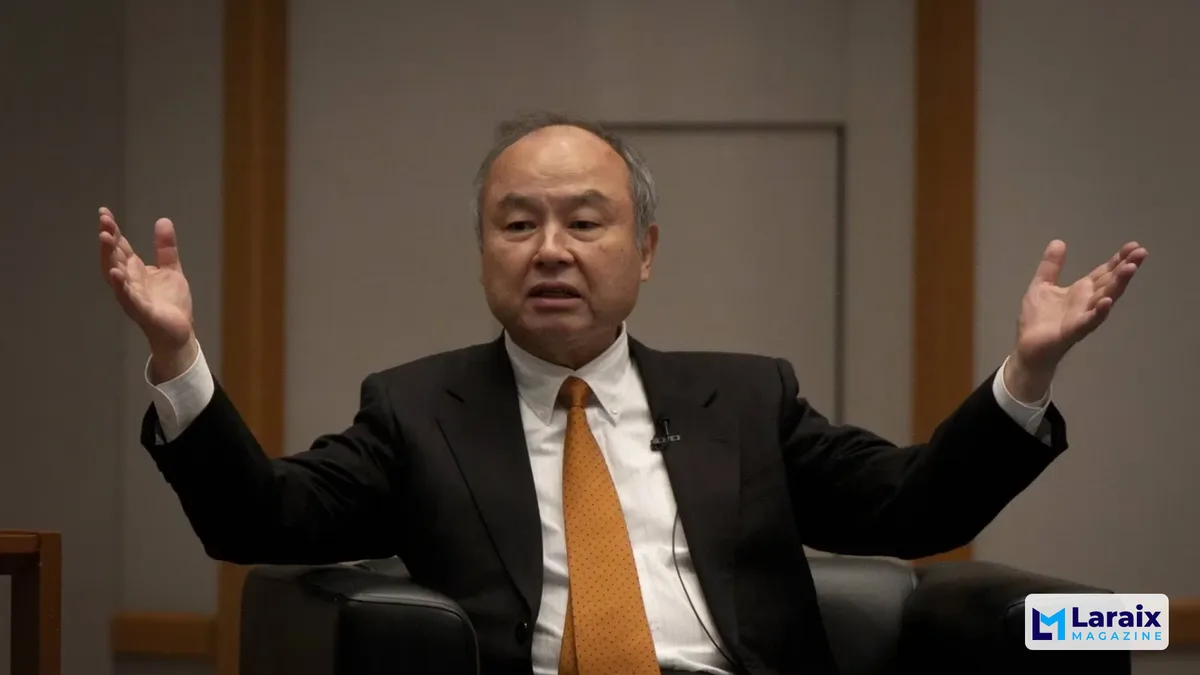
Did Masayoshi Son and Greg Hayes Ever Meet?
There is no reliably documented public account identifying when or where the two executives first met. Available corporate biographies and historical records do not establish a joint business venture, personal friendship, or formal partnership.
Their careers have involved major American corporations and international markets, making professional overlap possible. Nevertheless, that possibility does not confirm direct contact or collaboration.
No verified relationship timeline exists. The meaningful dates associated with their names concern their separate careers and corporate achievements.
Masayoshi Son’s Early Life and Education
Masayoshi Son was born on August 11, 1957, in Tosu, Saga Prefecture, Japan. He grew up in an ethnic Korean family and later moved to California to continue his education.
Son attended schools in the United States before transferring to the University of California, Berkeley, where he studied economics and graduated in 1980. During his student years, he explored entrepreneurial opportunities involving electronic technology and entertainment.
Historical accounts describe his involvement in developing an electronic translation device and operating arcade-game businesses. Although financial details surrounding these ventures vary between sources, his early interest in entrepreneurship is well documented.
After returning to Japan, Son founded Nihon SoftBank in September 1981. The company initially distributed packaged computer software before expanding into technology publishing, internet services, and telecommunications.
How Masayoshi Son Built SoftBank
SoftBank’s growth reflected Son’s willingness to enter developing technology markets. One of its most significant investments came in 2000, when the company backed Alibaba, the Chinese e-commerce business that later became a global industry leader.
In 2006, SoftBank acquired Vodafone’s Japanese mobile operations, strengthening its position in telecommunications. Seven years later, it expanded into the United States through the acquisition of Sprint.
The Sprint transaction, completed in July 2013, involved approximately $21.6 billion. Although the acquisition increased SoftBank’s international presence, Sprint subsequently faced considerable competitive and financial challenges.
Another major decision came in 2016, when SoftBank acquired British semiconductor designer Arm. The company later returned to public markets through a Nasdaq listing in 2023.
Son also established the first SoftBank Vision Fund in 2017 to support technology businesses. The fund produced notable investment successes but also substantial losses, illustrating the financial uncertainty surrounding ambitious technology investments.
His Growing Focus on Artificial Intelligence
Artificial intelligence became increasingly central to Son’s strategy during the 2020s. In January 2025, SoftBank joined OpenAI, Oracle, and MGX as an initial equity funder of the Stargate AI infrastructure initiative.
Son was named chairman of the project, which outlined plans for up to $500 billion in investment over four years. This figure represented an announced ambition rather than completed spending.
In October 2026, SoftBank announced an additional $30 billion investment in OpenAI, bringing its reported cumulative investment to approximately $64.6 billion.
These commitments reinforced Son’s focus on advanced computing while raising questions about financing requirements and exposure to changing technology valuations.
Greg Hayes’s Education and Early Career
Gregory J. Hayes, commonly known as Greg Hayes, is an American executive whose career developed primarily within established industrial businesses. Reliable public information about his childhood and birthplace remains limited.
Hayes graduated from Purdue University in 1982. University records identify his education in management, while some corporate biographies describe his academic background as economics. He also qualified as a Certified Public Accountant.
He joined United Technologies in 1999 through its merger with Sundstrand Corporation. After holding several senior positions, Hayes became chief financial officer in 2008.
His financial and operational experience helped prepare him for broader leadership responsibilities. In 2014, he was appointed president and CEO of United Technologies, succeeding Louis Chênevert. He became chairman in 2016.
Greg Hayes and the Creation of RTX
Hayes oversaw significant changes to United Technologies’ business portfolio. In July 2015, the company announced the sale of helicopter manufacturer Sikorsky Aircraft to Lockheed Martin for approximately $9 billion.
In November 2018, United Technologies completed its acquisition of Rockwell Collins, strengthening its aerospace systems operations.
The company’s most consequential restructuring occurred in April 2020, when its aerospace businesses merged with Raytheon Company. The combined organization became Raytheon Technologies, with Hayes serving as CEO.
The merger brought together aircraft engines, aerospace systems, defense electronics, and military technology businesses. Hayes was responsible for managing a complex organization operating across commercial aviation and defense markets.
Raytheon Technologies adopted the name RTX Corporation in 2023. Hayes remained CEO until May 2024, when Christopher Calio succeeded him. He continued as executive chairman before leaving the company’s board in April 2025.
His tenure reflected an emphasis on acquisitions, portfolio restructuring, financial management, and industrial integration.
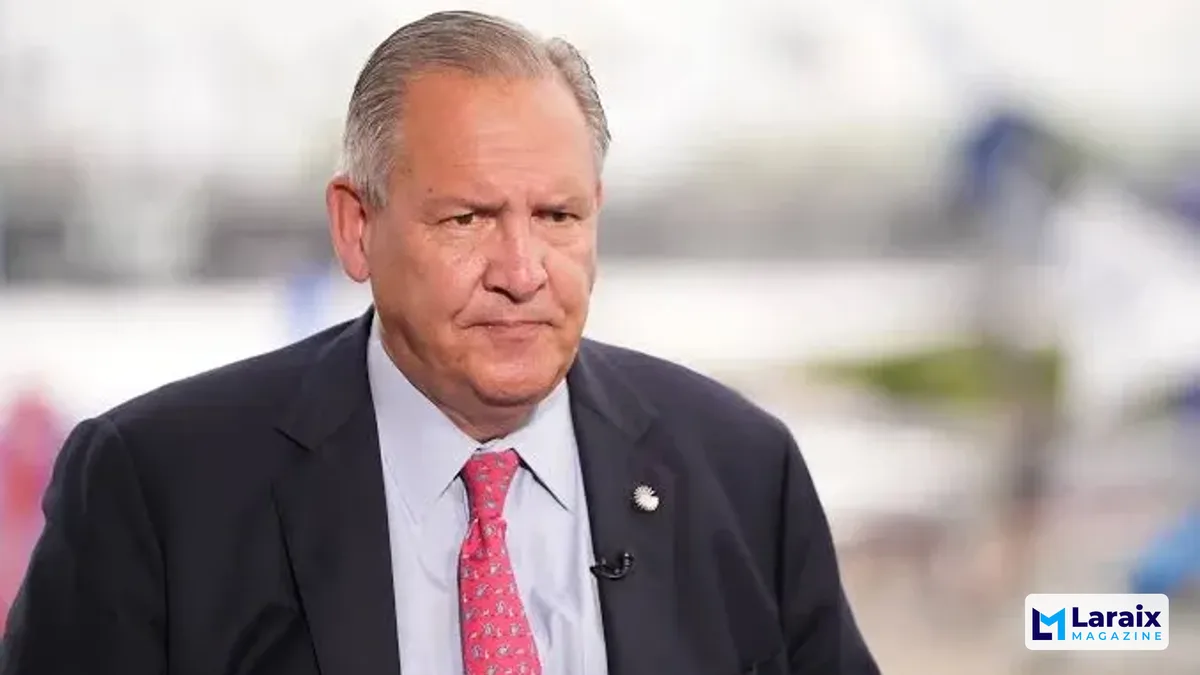
Comparing Their Leadership Approaches
Son’s leadership is closely associated with identifying emerging technologies and committing substantial capital to their development. His investments in Alibaba, Arm, and artificial intelligence demonstrate this long-term approach, although not every investment has delivered favorable results.
Hayes followed a more traditional corporate management path. His decisions at United Technologies and RTX focused on integrating established businesses, managing industrial operations, and reshaping corporate portfolios.
Their industries also present different challenges. SoftBank’s investment performance depends partly on technology valuations and future market growth, while RTX operates within complex manufacturing, aerospace, and defense markets.
Both executives have faced uncertainty, financial risk, and difficult strategic decisions. Their careers demonstrate how corporate transformation can emerge through different business models rather than a single leadership formula.
Family, Marriage, and Children
Son is married and has two children, according to his Forbes biography. Some secondary accounts identify his wife as Masami Ohno, although detailed information about their marriage is not consistently documented in primary corporate records.
Hayes is married to Renata Hayes. Purdue University’s 2021 commencement materials identify the couple and report that they have four children.
Greg and Renata Hayes have also supported educational initiatives at Purdue University, including the Hayes Leadership Coaching Institute.
Neither family’s publicly documented history establishes a personal or familial connection between Son and Hayes. Both executives maintain considerable privacy around their domestic lives.
Where Are Masayoshi Son and Greg Hayes Today?
As of November 2026, Son remains chairman and CEO of SoftBank Group. His attention continues to center on artificial intelligence, advanced computing, and international investment.
His ambitious AI strategy has attracted scrutiny because of its substantial financing requirements and exposure to technology-market fluctuations.
Hayes has moved from executive management into corporate governance. Following his departure from RTX’s board in 2025, he continued serving in other leadership capacities.
In May 2026, Phillips 66 appointed him lead independent director. He also serves on the board of medical technology company BD and remains involved in educational initiatives associated with Purdue University.
Their current professional activities remain distinct, with no verified evidence of an ongoing joint venture or personal partnership.
Frequently Asked Questions
What is the connection between Masayoshi Son and Greg Hayes?
Both are influential business leaders known for major corporate transformations, but no verified personal, family, or business relationship between them has been established.
Have Masayoshi Son and Greg Hayes ever worked together?
There is no reliable public evidence confirming that they have worked together, formed a business partnership, or held positions at the same company.
What companies are Masayoshi Son and Greg Hayes known for?
Masayoshi Son founded SoftBank Group in 1981, while Greg Hayes is best known for leading United Technologies and RTX Corporation.
How do Masayoshi Son and Greg Hayes differ in their leadership styles?
Son emphasizes technology investment and emerging markets, while Hayes focused on financial management, aerospace operations, and corporate restructuring.
What are Masayoshi Son and Greg Hayes doing in 2026?
Son remains SoftBank Group’s chairman and CEO, focusing on artificial intelligence investments. Hayes serves on corporate boards, including Phillips 66 and BD.
Conclusion
Masayoshi Son and Greg Hayes have built influential careers through different forms of corporate leadership. Son transformed SoftBank into an international technology investment group, while Hayes helped restructure United Technologies and establish RTX.
Both have overseen major transactions and guided complex organizations through significant change. Yet no reliable public evidence confirms a direct personal, family, or business relationship between them.
Their connection is best understood through their contrasting approaches to leadership: Son’s emphasis on emerging technology and long-term investment, and Hayes’s focus on financial management and industrial transformation.
Also read: Lachlan Murdoch and Wayne Gretzky: Careers and Achievements in 2026





One Comment