
Best Pollo al Chilindron Near Me: A Helpful Guide
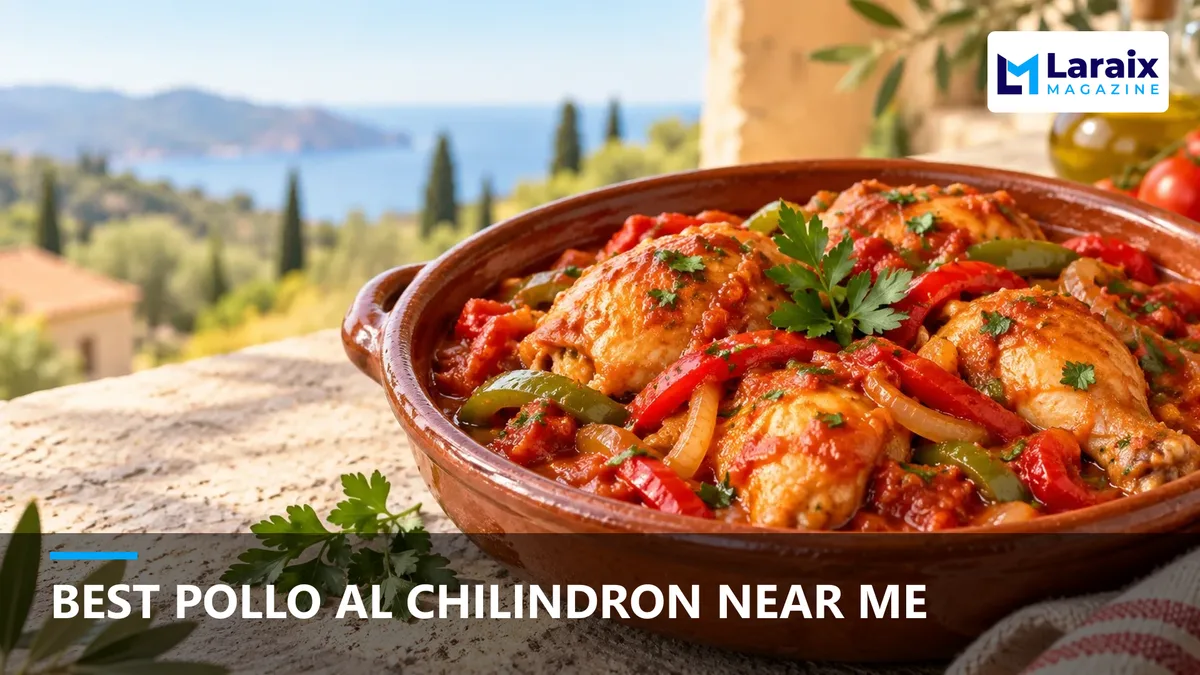
Finding the best pollo al chilindron near me can be an exciting culinary adventure, especially if you enjoy traditional Spanish dishes filled with rich flavors and fresh ingredients. This comforting chicken stew combines tender poultry with tomatoes, colorful peppers, onions, garlic, and sometimes Spanish cured ham. The result is a savory, aromatic meal that showcases the simplicity of Spanish home cooking. However, finding a restaurant that prepares authentic pollo al chilindrón in the United States can require more than a quick online search. Understanding the dish’s ingredients, regional background, and preparation methods can help you recognize a worthwhile option. This guide explains what makes pollo al chilindrón special, how to locate restaurants serving it, and what to consider before ordering.
Quick Answer: To find the best pollo al chilindrón nearby, search Google Maps and local Spanish restaurant menus using both accented and unaccented spellings. Prioritize restaurants offering chicken simmered with peppers, tomatoes, onions, and garlic. Check recent customer photos, confirm menu availability, and ask about traditional preparation before visiting.
What Is Pollo al Chilindrón? Origins and Traditional Ingredients
Pollo al chilindrón is a traditional Spanish chicken stew strongly associated with Aragón, a region in northeastern Spain. It is particularly connected with the cooking traditions of Zaragoza and the surrounding areas, although related preparations are also found in neighboring Navarra.
According to Spain’s official tourism website, the dish combines chicken with vegetables, olive oil, cured ham, and wine. These ingredients develop a rich sauce as they cook together, creating a flavorful meal traditionally served with rice or potatoes. Spain Travel
The name chilindrón refers to the style of sauce or stew rather than a particular cut of chicken. The sauce itself can accompany other meats, including lamb, and reflects the agricultural traditions of the Ebro Valley.
The History Behind Chilindrón Sauce
Chilindrón has deep roots in the culinary culture of Aragón. The region is known for traditional dishes that combine locally raised meats with vegetables grown in agricultural communities.
The Zaragoza tourism department describes chilindrón as an important preparation in regional cooking. Its defining ingredients include tomatoes, peppers, and onions, which combine to create a hearty vegetable-based sauce.
Although the dish has a long culinary history, its exact origins remain uncertain. Tomatoes and peppers arrived in Spain from the Americas, meaning the recognizable modern preparation developed after those ingredients became established in Spanish kitchens. Zaragoza City Website
Today, pollo al chilindrón represents a style of cooking focused on accessible ingredients, careful preparation, and balanced flavors.
Traditional Ingredients That Define the Dish
While family recipes differ, several ingredients regularly appear in established preparations.
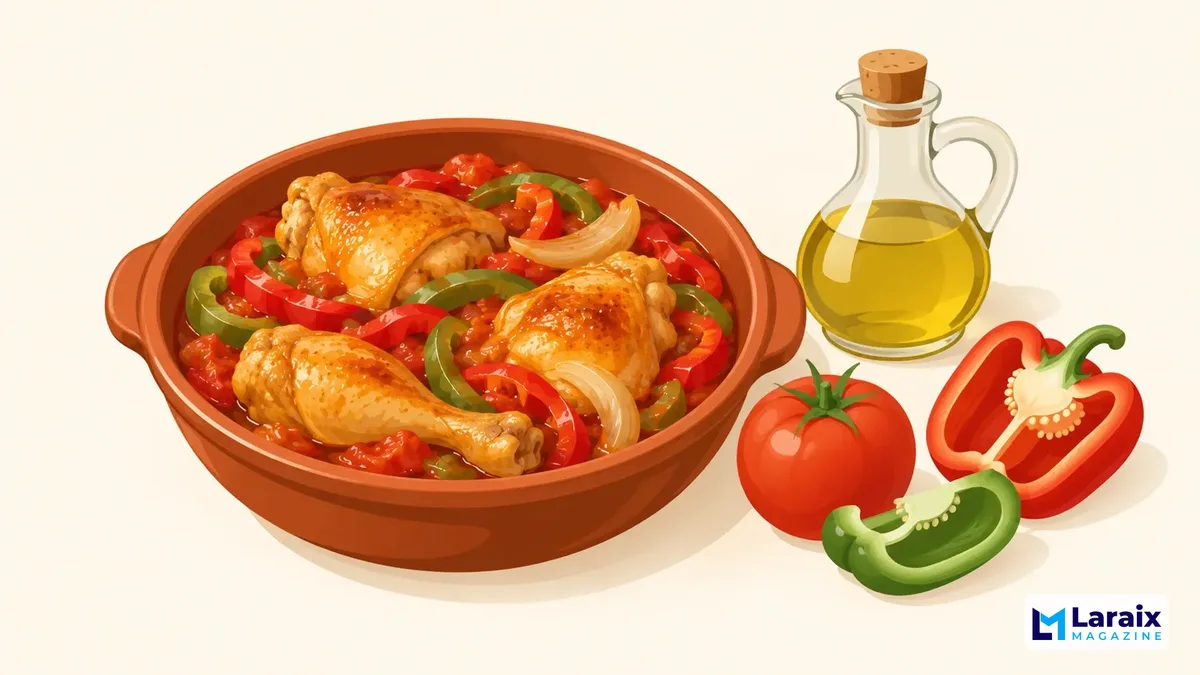
- Chicken: Bone-in thighs, drumsticks, or mixed chicken pieces provide the main protein.
- Bell peppers: Red and green peppers contribute sweetness, mild bitterness, and color.
- Tomatoes: Fresh or prepared tomatoes create the body of the sauce.
- Onions and garlic: These vegetables supply aromatic depth.
- Olive oil: Used for browning chicken and cooking the vegetables.
- Spanish cured ham: Jamón Serrano or regional cured ham contributes a distinctive savory flavor.
- White wine: Common in many recipes and used to develop the sauce.
- Seasonings: Salt, black pepper, and sometimes paprika or bay leaves complete the dish.
Chef José Andrés’ pollo al chilindrón recipe published by PBS includes red and green peppers, Spanish ham, white wine, tomato sauce, and sweet pimentón. His preparation illustrates how traditional ingredients can be combined with additional aromatics without losing the dish’s identity. PBS Food
Not every authentic family recipe includes identical quantities or seasonings. The important characteristic is the combination of tender chicken and a well-developed pepper-and-tomato sauce.
Best Pollo al Chilindron Near Me: How to Find It
Finding authentic pollo al chilindrón in the United States may require some research. Spanish restaurants often emphasize tapas, paella, and other widely recognized dishes, so regional chicken stews may not always appear on their regular menus.
The most reliable approach is to search for the specific dish rather than assuming every Spanish restaurant serves it.
Step-by-Step Guide to Finding Nearby Restaurants
Step 1: Search Google Maps
Open Google Maps and enter “pollo al chilindron near me” or “Spanish chicken chilindron.” You can also add your city or neighborhood to narrow the results.
For example, searches such as “pollo al chilindrón in Chicago” or “Spanish restaurants near downtown Los Angeles” may help identify relevant establishments. These are suggested search phrases, not claims that a particular restaurant currently serves the dish.
Google Maps allows users to explore businesses, locations, operating hours, and available restaurant information. Google Maps Help
Step 2: Try Alternative Spellings
Restaurants may use slightly different spellings or menu descriptions. Useful searches include:
- Pollo al chilindrón
- Pollo al chilindron
- Chicken chilindron
- Spanish chicken with peppers and tomatoes
- Chilindrón chicken stew
Searching without the accent mark is especially practical because English-language menus may omit Spanish accents.
Step 3: Examine Restaurant Menus
Visit each promising restaurant’s official website and look for its current menu.
Search under chicken entrées, Spanish specialties, traditional dishes, and chef’s specials. A restaurant might describe the preparation in English without using its traditional Spanish name.
Step 4: Review Customer Photos and Feedback
Recent customer photos can help you understand portion sizes, sauce consistency, and presentation.
Look for pictures showing chicken surrounded by cooked peppers and tomato sauce. Reviews mentioning the specific dish are more informative than general comments about the restaurant.
Remember that customer opinions are subjective, and an appealing photograph does not guarantee quality.
Step 5: Confirm Availability
Before making a special trip, call the restaurant and ask whether pollo al chilindrón is currently available.
Some establishments change their menus seasonally or feature regional dishes as occasional specials.
You can also ask whether the dish contains Spanish cured ham, wine, or particular ingredients that matter to your dietary requirements.
Step 6: Compare Practical Details
Consider restaurant location, menu price, portion size, customer service, and whether the dish is suitable for takeout.
An excellent restaurant located far away may be less convenient than a closer establishment with a well-prepared version.
Step 7: Choose Based on the Dish, Not Just Ratings
Overall restaurant ratings can provide helpful context, but they do not necessarily reflect the quality of a specific entrée.
Prioritize direct menu evidence, dish-specific reviews, and confirmation from the restaurant itself.
Following these steps gives you a stronger basis for choosing where to eat without relying on unverified rankings or outdated menu information.
What Makes the Best Pollo al Chilindrón?
A memorable pollo al chilindrón depends on ingredient quality, thoughtful cooking, and the balance between chicken and sauce.
Although personal preferences vary, several characteristics can help diners assess a restaurant’s preparation.
Tender and Flavorful Chicken
Chicken is the centerpiece of the dish. In traditional preparations, it is often browned before being simmered with the vegetables.
Browning develops flavor, while gentle cooking allows the chicken to become tender and absorb the sauce’s aromas.
Bone-in pieces are particularly suitable for stews because they can remain moist during prolonged cooking. However, boneless chicken can also produce an enjoyable dish when prepared carefully.
For diners, the goal is chicken that is thoroughly cooked, tender, and pleasantly seasoned rather than dry or rubbery.
A Rich Tomato-and-Pepper Sauce
The sauce is arguably the most recognizable feature of pollo al chilindrón.
Tomatoes provide acidity and body, while peppers contribute natural sweetness and vegetable flavor. Onions and garlic add depth, and slow cooking helps integrate the ingredients.
A good sauce should complement the chicken rather than overwhelm it.
Traditional chilindrón is generally savory and vegetable-forward, not intensely spicy. Restaurants may adjust the seasoning, but very hot chilies are not necessary to create the classic flavor.
The sauce can range from rustic, with visible pieces of peppers and tomatoes, to a softer, more integrated consistency. Both approaches can be enjoyable.
The Role of Spanish Cured Ham
Many traditional recipes incorporate jamón Serrano or jamón de Teruel, a Spanish cured ham associated with Aragón.
The ham contributes saltiness and savory complexity that distinguish certain chilindrón preparations from ordinary tomato-based chicken stews.
However, the presence of ham also means the dish may contain pork even when the menu primarily describes it as chicken.
If you avoid pork, confirm the ingredients before ordering. Some recipes omit ham, but that should never be assumed.
Balanced Cooking and Presentation
The best versions allow the ingredients to work together.
The sauce should have sufficient flavor without tasting excessively salty, oily, or acidic. The peppers should be properly cooked, and the chicken should be easy to eat.
Presentation also contributes to the experience. Pollo al chilindrón is often served with rice, potatoes, or bread, which help diners enjoy the sauce.
A generous portion of sauce is particularly useful because much of the dish’s character comes from its combination of cooked vegetables and savory juices.
Comparing Restaurant Options and Different Preparations
Not every restaurant serving Spanish chicken dishes prepares them in the same way.
Some focus on traditional regional cooking, while others adapt recipes to local preferences or simplify preparation for faster service.
Understanding these differences can help you decide which option best matches your expectations.
| Restaurant or preparation style | What to expect | Main advantage | Possible drawback |
|---|---|---|---|
| Traditional Aragón-style chilindrón | Chicken with peppers, tomatoes, onions, garlic, and often cured ham | Closely matches established regional recipes | May contain pork and wine |
| Modern Spanish restaurant version | Familiar ingredients with possible changes in seasoning or presentation | Can offer an approachable interpretation | May differ from traditional recipes |
| General Spanish chicken stew | Chicken simmered with vegetables and sauce | May be easier to find as a similar alternative | Not necessarily true chilindrón |
| Takeout or delivery version | Prepared chicken stew packaged for transportation | Convenient for eating at home | Sauce and chicken texture may change during transport |
| Homemade pollo al chilindrón | Ingredients and cooking methods selected by the cook | Greater control over flavor and dietary needs | Requires shopping, preparation, and cooking time |
These descriptions represent common possibilities, not rankings of particular restaurants.
Authenticity Versus Personal Preference
Authenticity matters when you want to experience a traditional Spanish recipe, but it is not the only measure of satisfaction.
One diner may prefer bone-in chicken and a rustic sauce containing cured ham. Another may enjoy a lighter preparation using boneless chicken and additional vegetables.
Both preferences are reasonable.
The important distinction is whether a restaurant accurately describes what it serves. A modified version should not automatically be represented as an unchanged traditional recipe.
Should Price Determine Your Choice?
Price is worth considering, but it does not establish quality on its own.
Restaurant costs vary depending on location, portion size, ingredients, service style, and other factors. Without a verified local menu, quoting a universal price for pollo al chilindrón would be misleading.
Instead, compare the current prices of restaurants in your area and consider what is included.
For example, a more expensive entrée might include a substantial serving of chicken and a side dish, while a lower-priced option might offer a smaller portion.
Value is best judged by the complete meal rather than the menu price alone.
Ordering Tips, Dietary Considerations, and Homemade Alternatives
Once you find a promising restaurant, knowing what to ask can make ordering much easier.
Pollo al chilindrón is relatively straightforward in concept, but different kitchens may use different ingredients and techniques.
Questions Worth Asking Before Ordering
If a menu description is incomplete, contact the restaurant and ask about the sauce, chicken preparation, and accompaniments.
Find out whether the chicken is bone-in or boneless, whether the dish contains pork, and whether it is prepared with wine.
You might also ask if the sauce is spicy, whether rice or potatoes are included, and whether the dish is available as takeout.
These questions are especially useful when you have allergies, food restrictions, or specific preferences.
Is Pollo al Chilindrón Healthy?
Pollo al chilindrón can contribute protein and vegetables to a balanced meal, but its nutritional characteristics depend on the recipe.
Chicken provides protein, while tomatoes, peppers, onions, and garlic contribute a variety of nutrients.
However, the amount of olive oil, cured ham, salt, and accompanying food can affect the finished meal’s calorie and sodium content.
A version containing substantial cured ham may be relatively high in sodium. Likewise, a large portion served with fried potatoes will have a different nutritional profile from a smaller portion accompanied by plain rice or vegetables.
It is therefore more accurate to assess a specific preparation than to label every version healthy or unhealthy.
Allergens and Special Diets
Traditional recipes contain ingredients that deserve attention if you follow dietary restrictions.
Pollo al chilindrón is not automatically vegetarian, halal, gluten-free, or alcohol-free.
Although the basic vegetable sauce does not inherently require wheat, some kitchens may use flour for thickening or ingredients that contain gluten. Cross-contact is another consideration for people with food allergies or celiac disease.
Recipes may also contain wine, and cooking does not necessarily eliminate every trace of alcohol.
Ask the restaurant directly about its ingredients and handling practices rather than relying on assumptions.
Making Pollo al Chilindrón at Home
If local restaurants do not offer the dish, preparing it at home is a practical alternative.
You can start with a traditional recipe and adjust ingredients according to your preferences.
A simplified home preparation involves browning seasoned chicken in olive oil, softening onions and peppers, adding garlic and tomatoes, and simmering the chicken in the sauce until tender.
Spanish cured ham and white wine can be included when suitable for your diet. Serving the stew with rice, potatoes, or crusty bread creates a satisfying meal.
For an established recipe, refer to the instructions from Spain’s official tourism website or the José Andrés recipe published by PBS.
When cooking chicken at home, follow food safety guidance. The USDA states that poultry should reach a minimum internal temperature of 165°F (74°C), measured with a food thermometer. Food Safety and Inspection Service+1

Storing and Reheating Leftovers
Pollo al chilindrón can also be prepared ahead of time, making it convenient for family meals.
Place leftovers in shallow containers and refrigerate promptly. Perishable food should generally not remain at room temperature longer than two hours, or one hour when temperatures exceed 90°F.
According to USDA food safety guidance, most cooked leftovers should be used within three to four days when properly refrigerated and reheated to 165°F. Food Safety and Inspection Service
When reheating, warm the chicken and sauce thoroughly. Adding a little liquid may help restore the sauce if it has thickened during storage.
These practices help preserve food quality while reducing avoidable food safety risks.
Frequently Asked Questions
1. Where can I find the best pollo al chilindrón near me?
Start with Google Maps, Spanish restaurant websites, and local menu searches. Use both “pollo al chilindrón” and “chicken chilindron” to broaden results. Confirm availability directly with restaurants because menus and daily specials can change.
2. What does pollo al chilindrón taste like?
Pollo al chilindrón typically has a savory, mildly sweet, and slightly tangy flavor. Tomatoes provide acidity, peppers add sweetness, and onions and garlic supply aromatic depth. When included, Spanish cured ham creates an additional salty, savory dimension.
3. Is pollo al chilindrón spicy?
Traditional pollo al chilindrón is generally not very spicy. The dish usually relies on sweet bell peppers rather than hot chilies. Individual restaurants may adjust the seasoning, so ask about the spice level if you prefer mild food.
4. What is the difference between pollo al chilindrón and chicken cacciatore?
Both dishes feature chicken cooked with tomatoes and vegetables. Pollo al chilindrón is associated with Aragón in Spain and particularly emphasizes peppers, onions, and sometimes Spanish cured ham. Chicken cacciatore belongs to Italian cooking traditions and may include ingredients such as mushrooms, herbs, olives, or wine, depending on the regional recipe.
5. Does pollo al chilindrón contain pork?
Many traditional recipes include Spanish cured ham, which is made from pork. However, some versions omit it. People avoiding pork should verify ingredients with the restaurant or use a suitable ham-free recipe at home.
6. What side dishes go best with pollo al chilindrón?
White rice, fried potatoes, roasted potatoes, and crusty bread pair well with the sauce. Rice and potatoes are particularly consistent with established Spanish serving traditions. A simple vegetable salad can also provide a fresh contrast to the rich stew.
7. Can I order pollo al chilindrón for takeout or delivery?
Takeout and delivery availability depends on the restaurant. If the dish appears on a menu, check whether it is offered through the restaurant’s ordering system or a delivery platform. For better texture, consider requesting the sauce separately when that option is available.
Conclusion
Finding the best pollo al chilindron near me becomes easier when you understand what makes this Spanish specialty distinctive. Tender chicken, flavorful peppers, ripe tomatoes, onions, garlic, and traditional seasonings combine to create a comforting dish rooted in the cooking traditions of Aragón.
The ideal restaurant is not necessarily the most expensive or the highest-rated overall. It is one that offers a thoughtfully prepared version of the dish, uses suitable ingredients, and provides a dining experience that matches your expectations.
Begin by searching nearby Spanish restaurants, checking their current menus, and asking about preparation methods. If no suitable local option is available, try a reliable homemade recipe to experience the characteristic flavors of pollo al chilindrón in your own kitchen.
Also read: Cookout Tray Price 2026: Menu, Meals & Costs